Spatial Typologies
Out of the material and operational analysis, we distilled distinct elements into a typology of checkpoints. Future research could use this catalogue of generalised elements to train an image classifier that would automatically track the evolution of checkpoints in a given conflict.
Spatial typologies of material and operational elements as a methodological approach
Out hypothesis is that the evolution of a checkpoint’s materiality is linked to the evolution of its economic and strategic value.
To validate this hypothesis, we deconstructed checkpoints into their constitutive physical and infrastructural elements. These elements included, for example, impermanent barriers like sandbags and steel drums, permanent roofed sheds, repurposed public buildings as well as minor changes to existing road infrastructure.
In practice, a checkpoint might evolve from a table and sandbags at the side of the road into a permanent roofed drive-through structure stretching over an entire road. Given our hypothesis, this kind of increased investment in a single checkpoint could be read as an increase in that checkpoint’s value as a point of control, though it would need to be further investigated through interviews to verify the assumption.
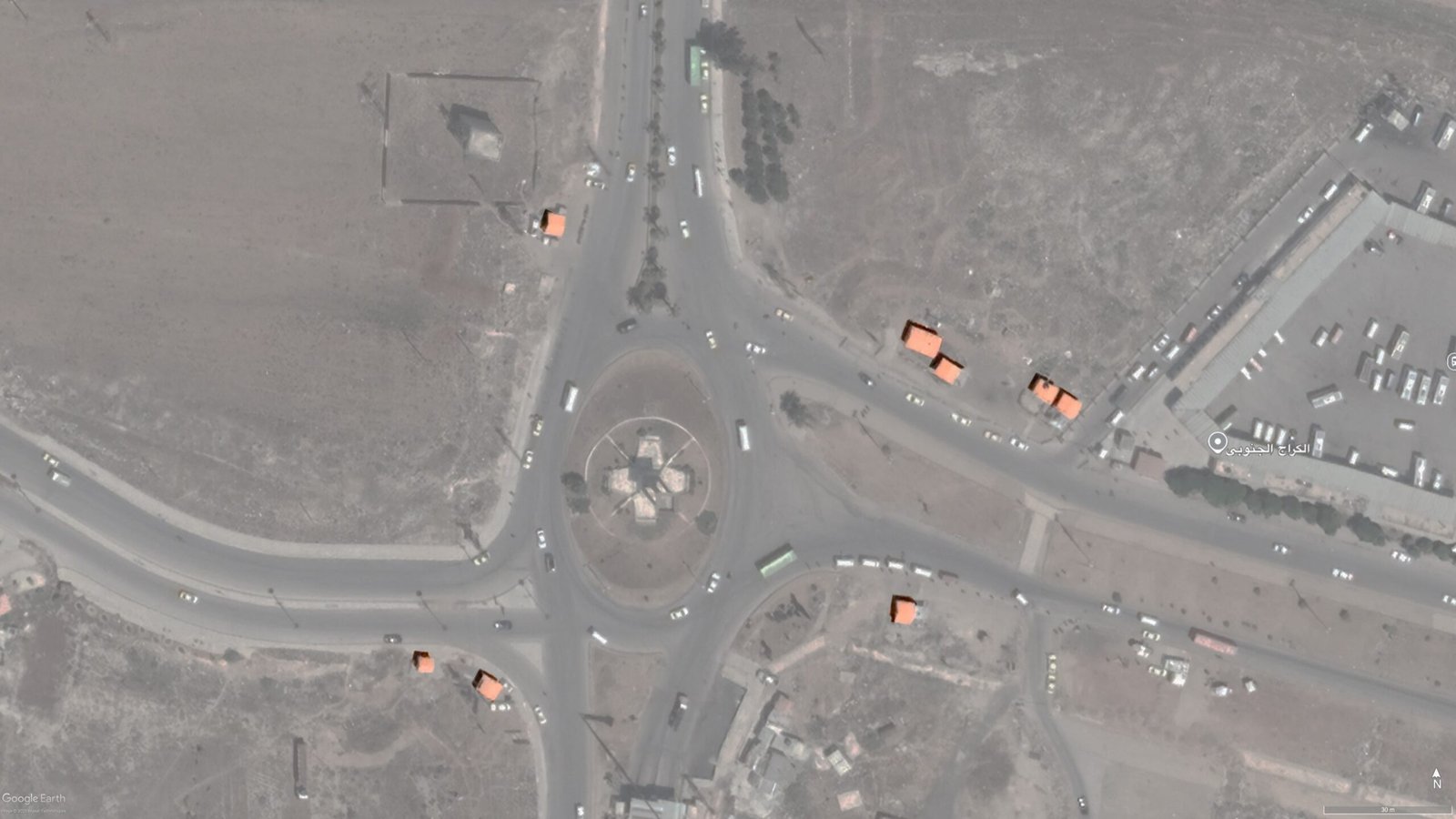
The materiality of a checkpoint also indicates the functional capabilities it may have. For instance, in 2022 it was reported1 that most checkpoints within the Homs governate do not have access to computers, but that those with roofs could potentially house such equipment. Satellite imagery shows that fixed checkpoints at the major roads entering Homs (reportedly managed by Syrian military and Syrian intelligence services2) are roofed in 2022, suggesting were engaged in computerised functions.
List of possible checkpoint spatial typologies
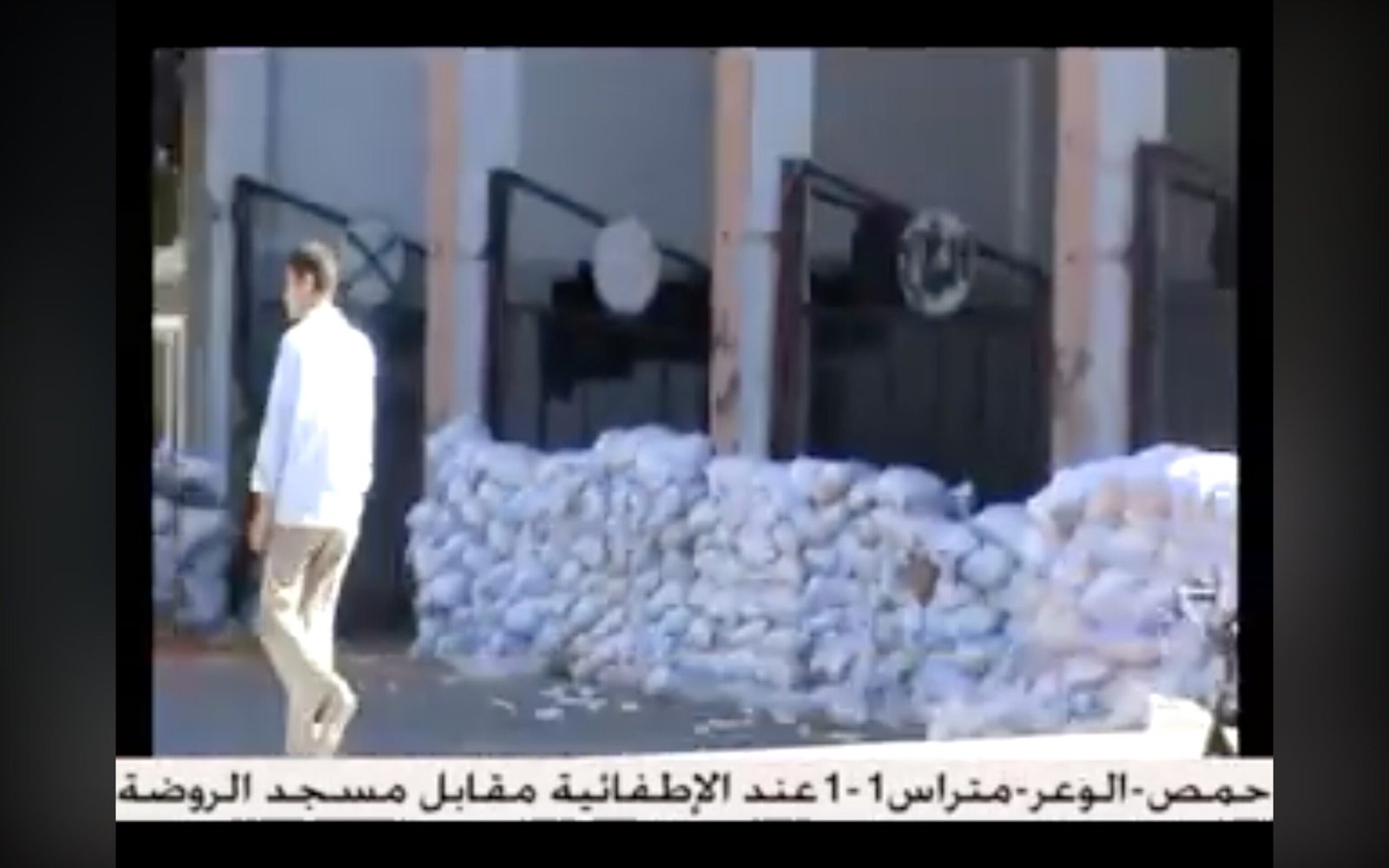 |
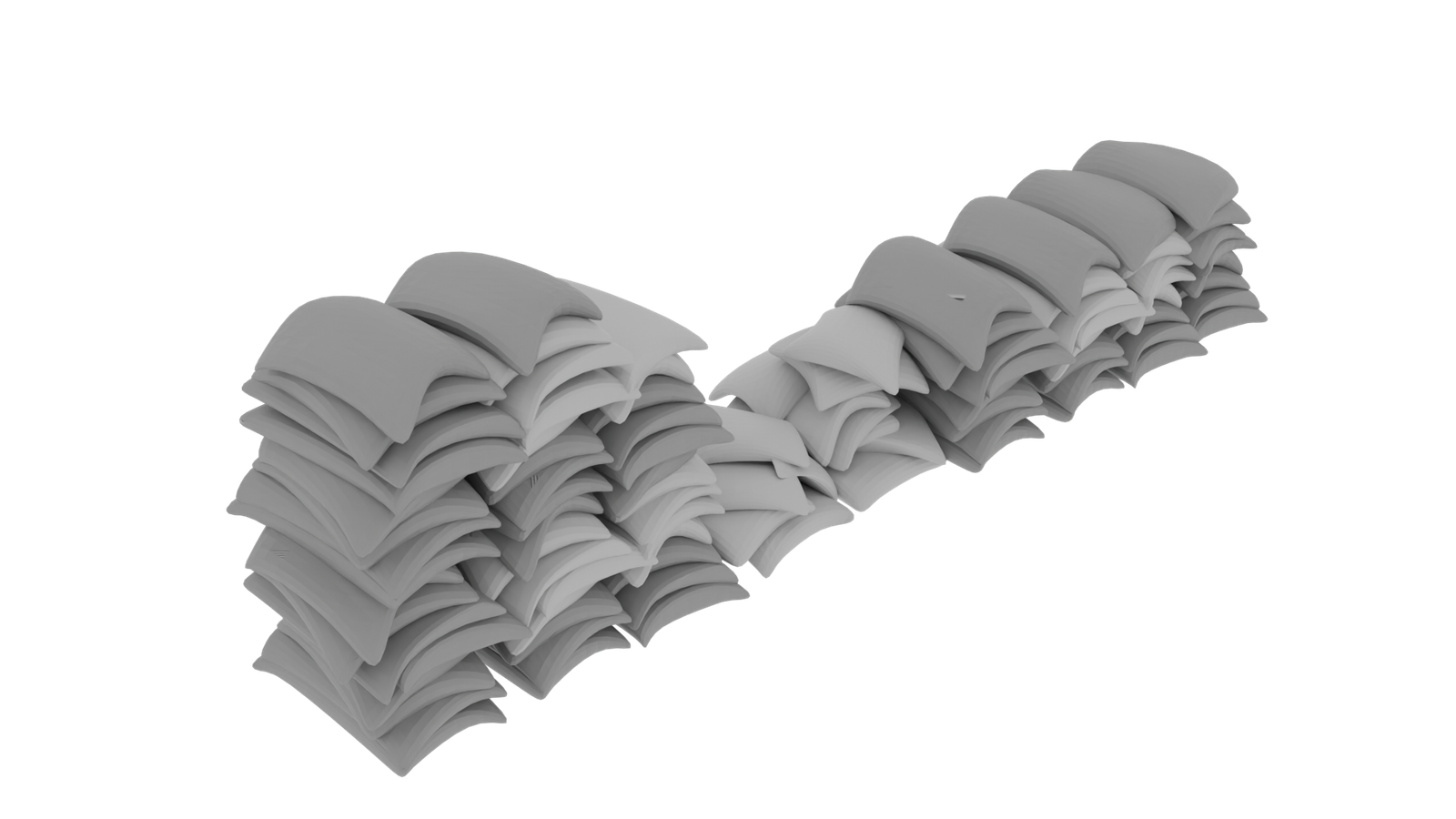
Sandbag | Mobile, low-cost, rapid deployment. Basic ballistic protection. Signals temporary or early-stage control |
 |
|
 |
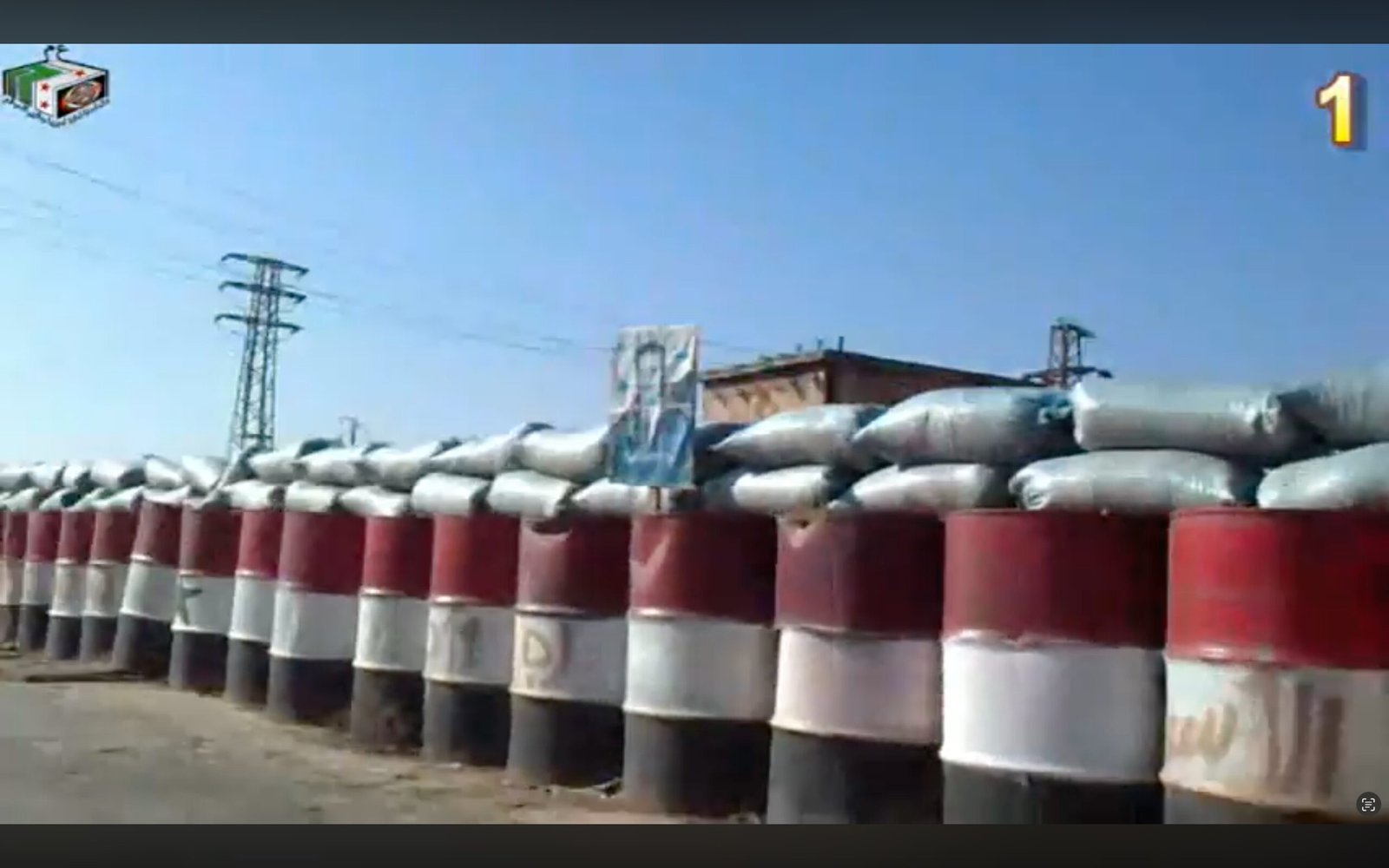 |
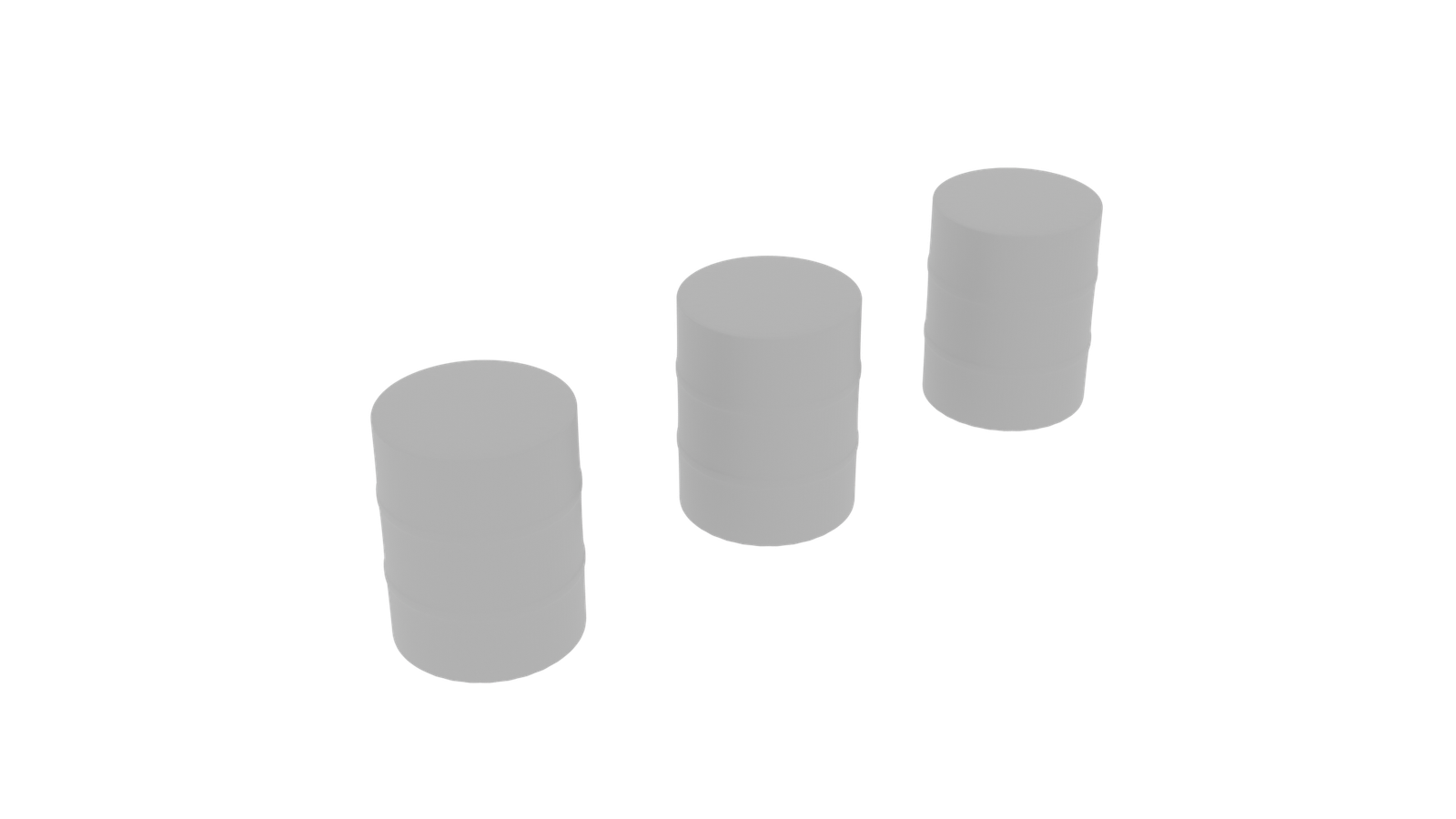
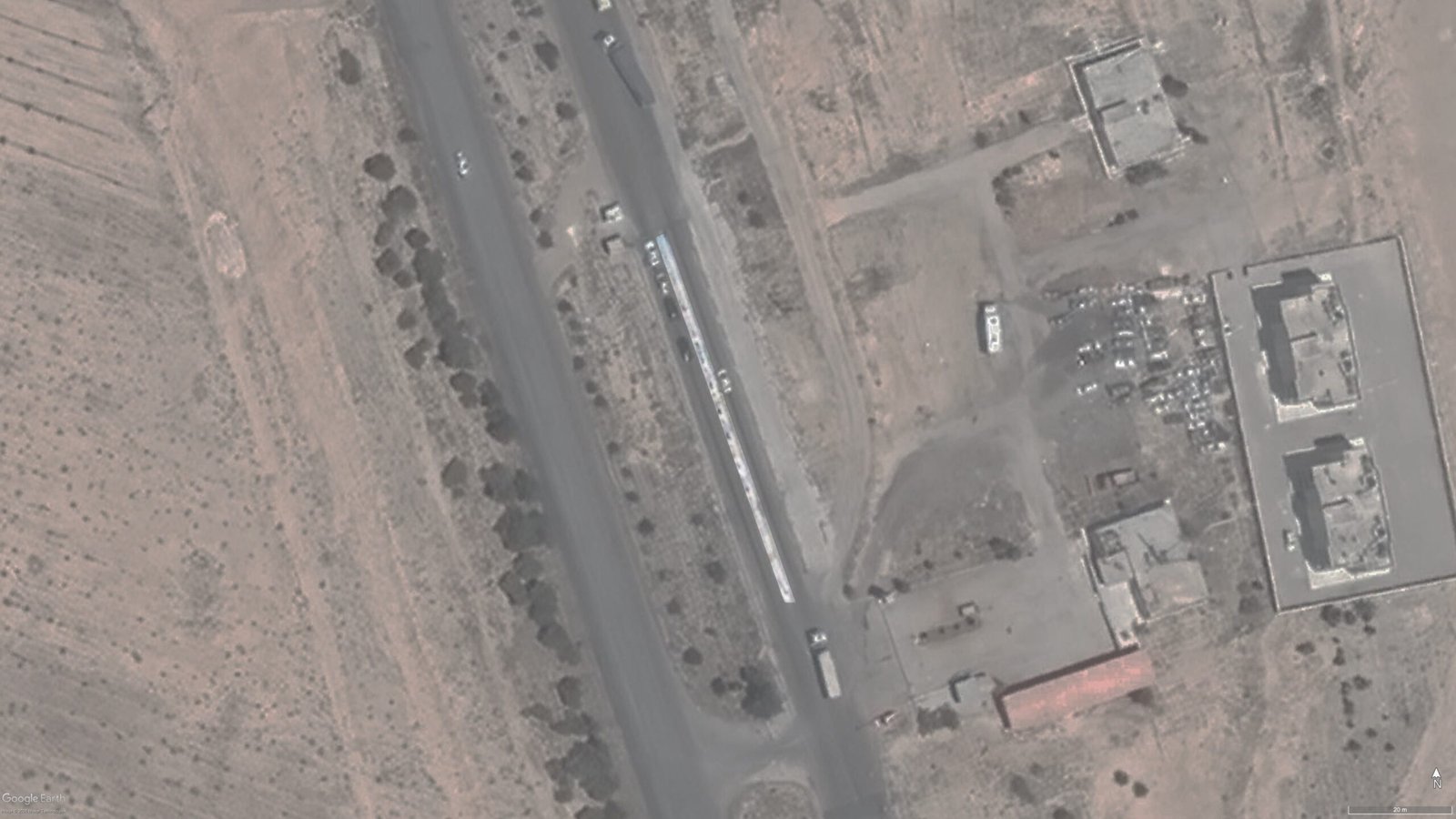
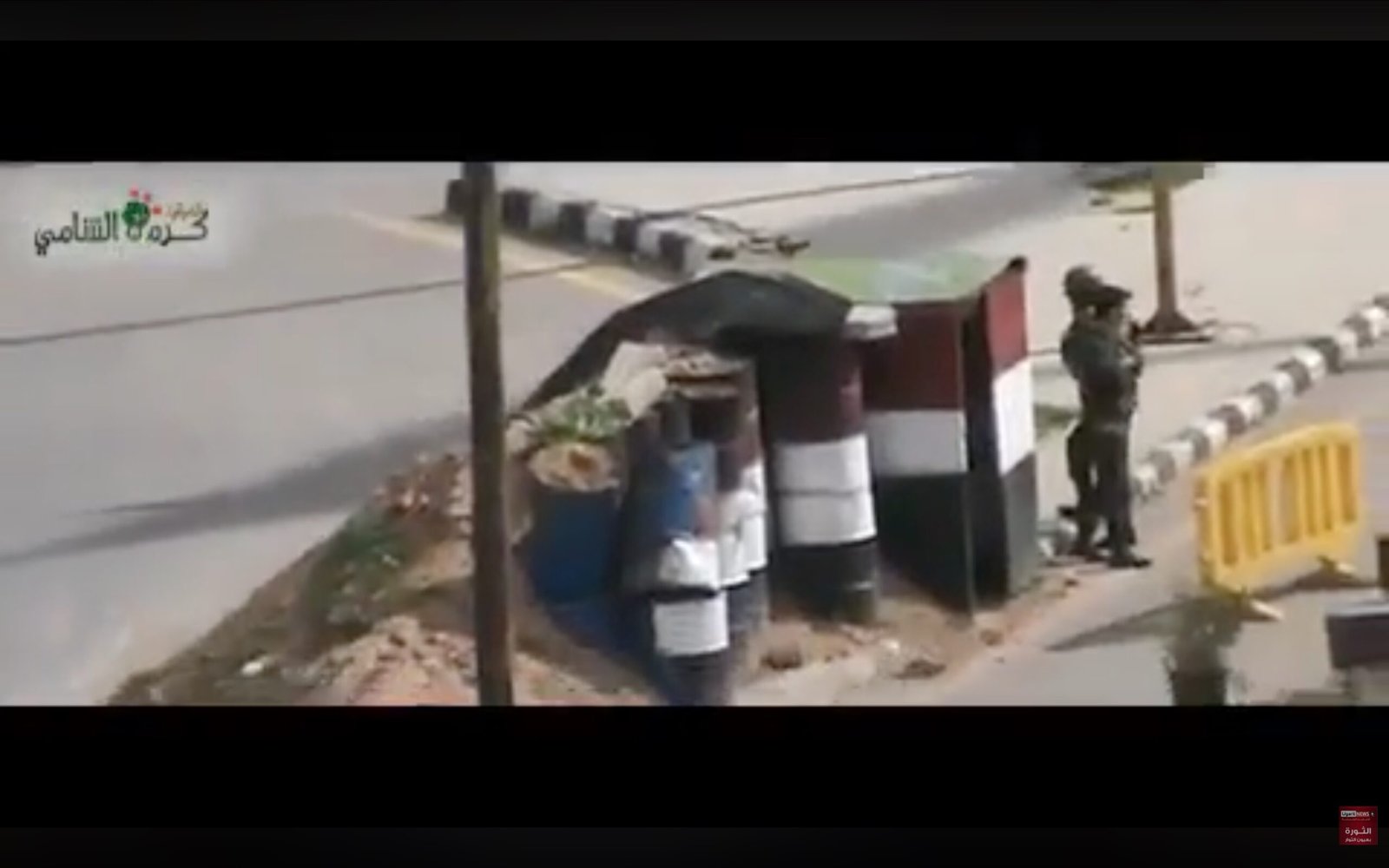
Steel Drum | Roadblock: low-cost, temporary channelling of traffic flows. Visual deterrent without heavy infrastructure |
 |
 |
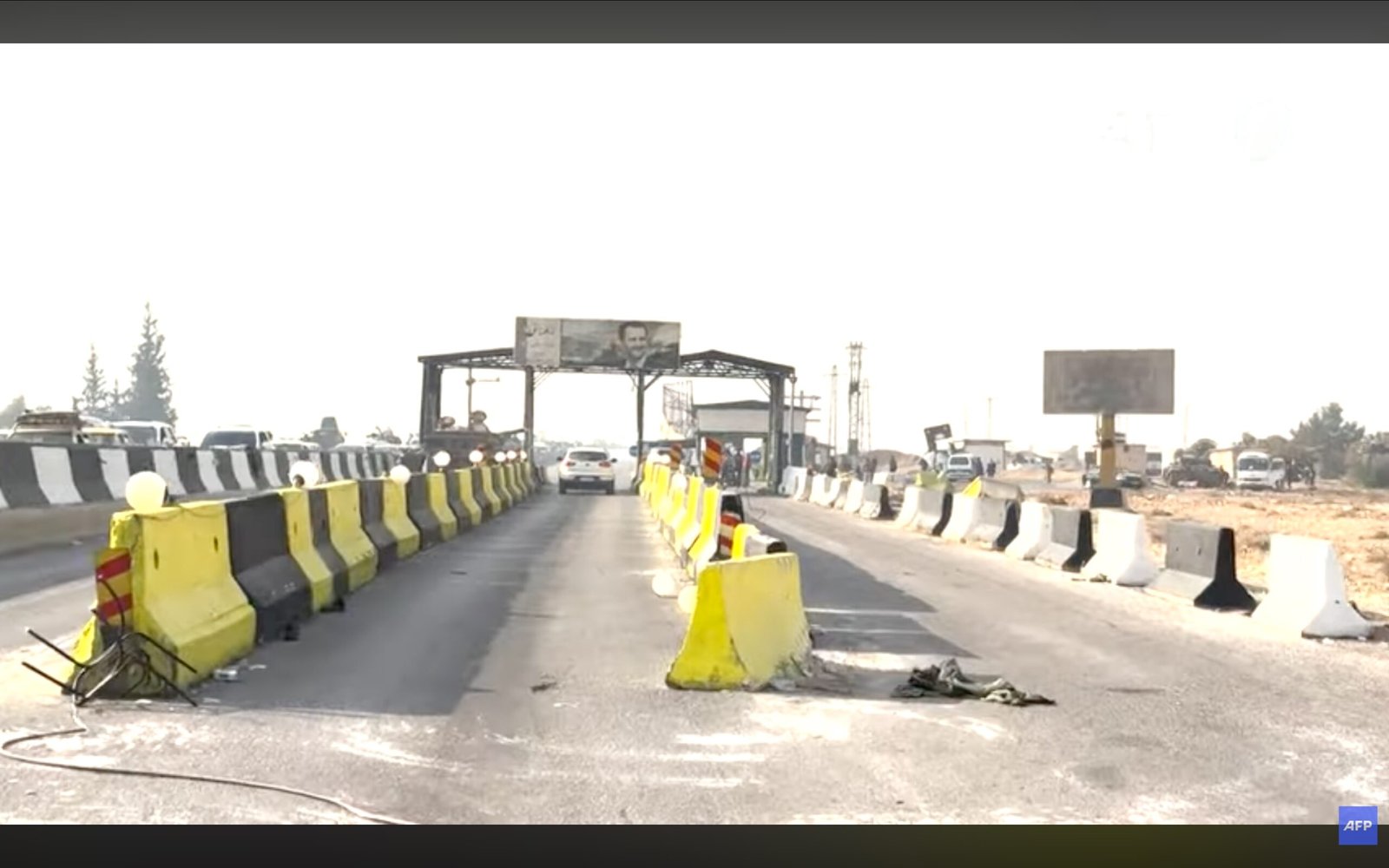 |
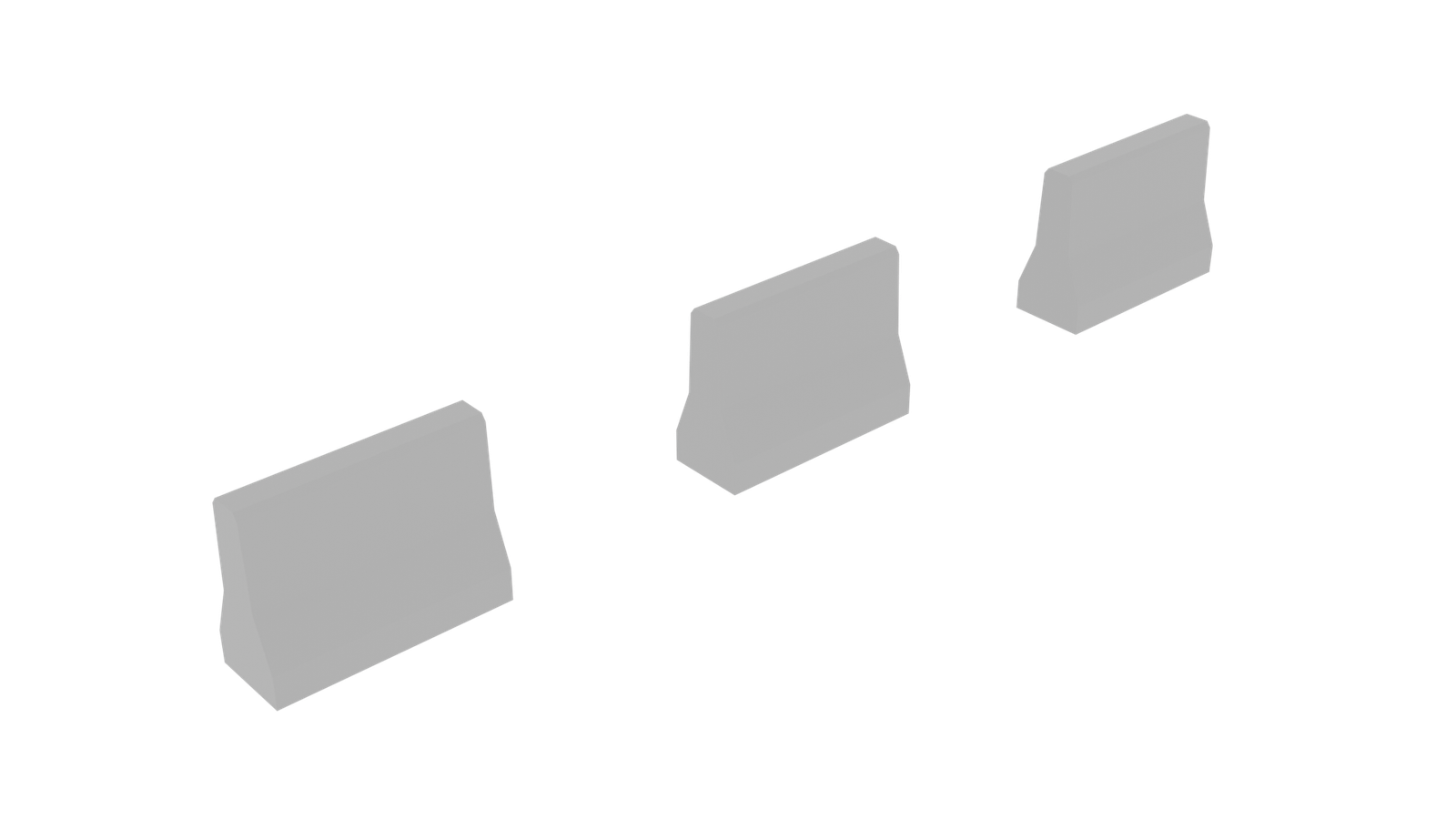
Concrete Barrier | Low-cost control and channelling of traffic flows into choke points. Signals an escalation from temporary to entrenched control. |
 |
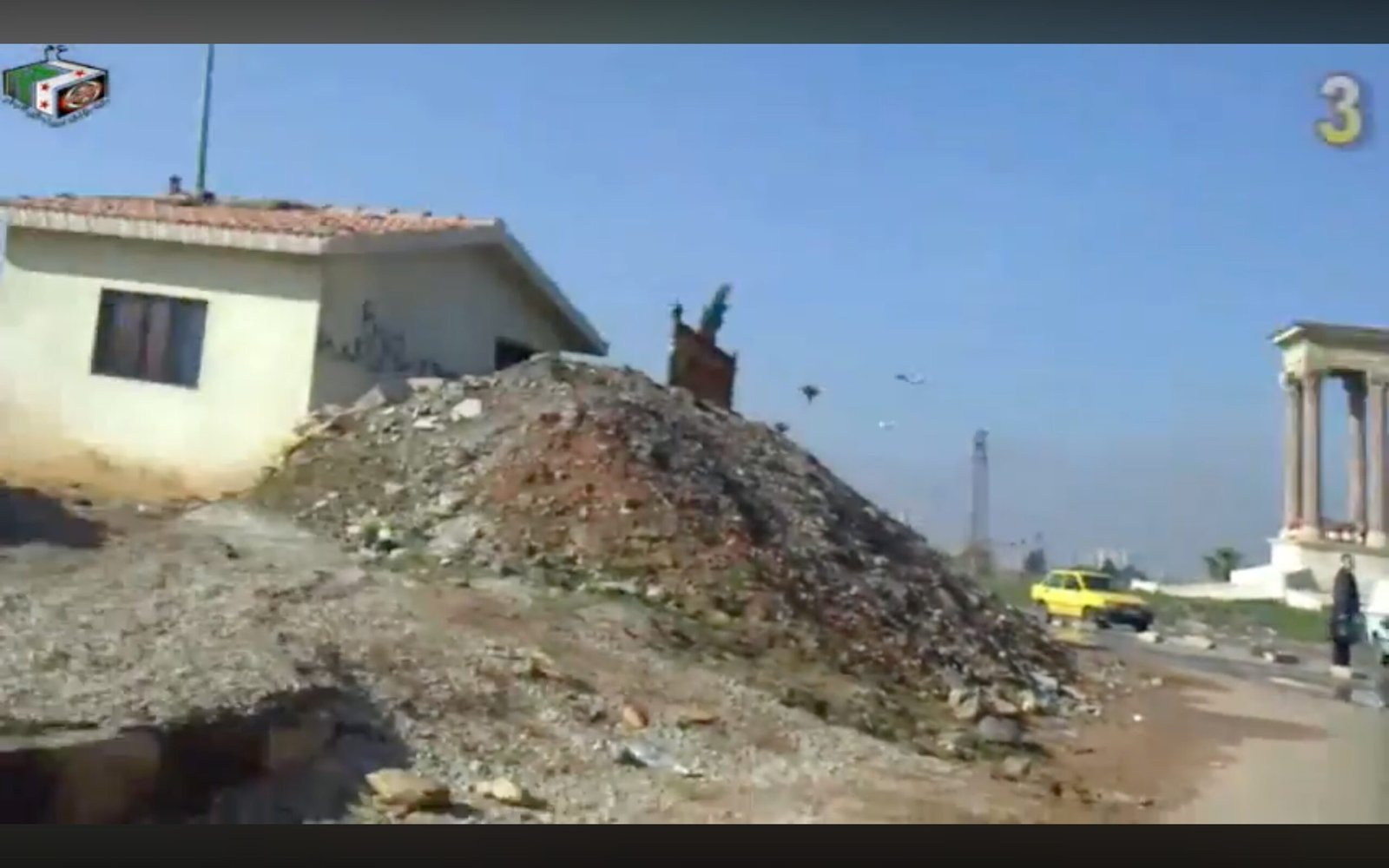 |
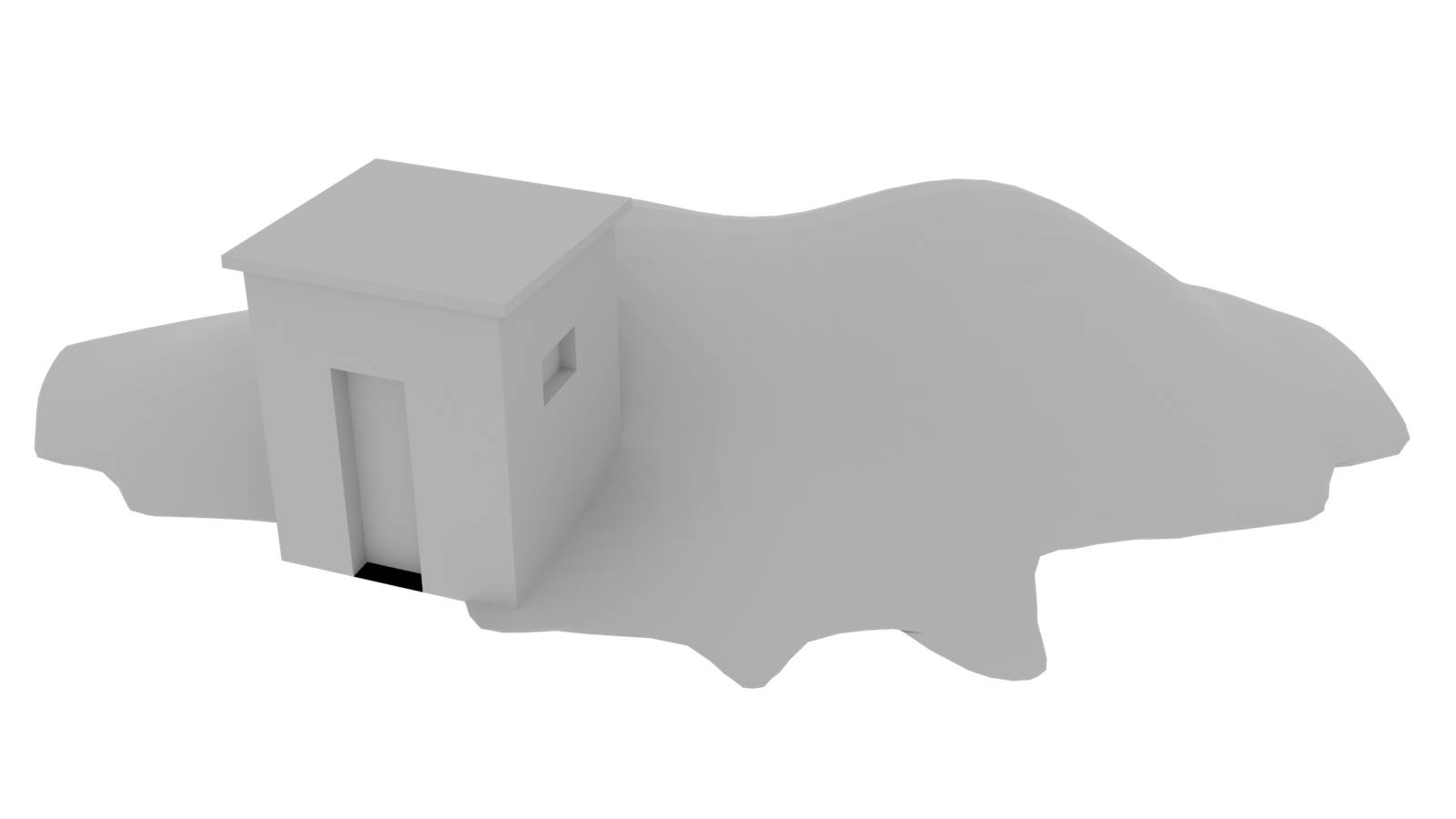
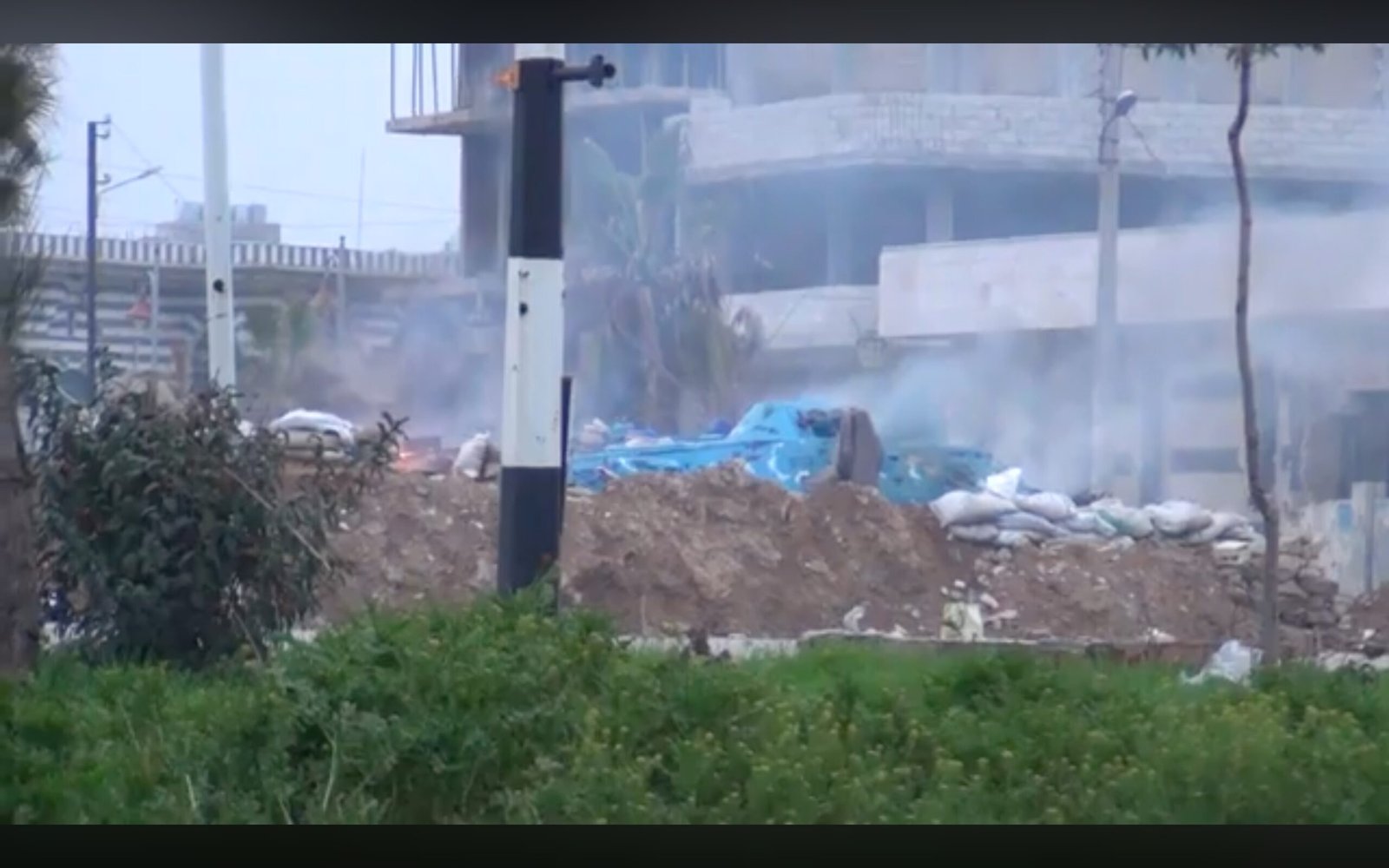
Mound of Debris | Improvised Road Obstruction. Forces diversion or slow passage. Conveys early-stage or contested control environments |
 |
|
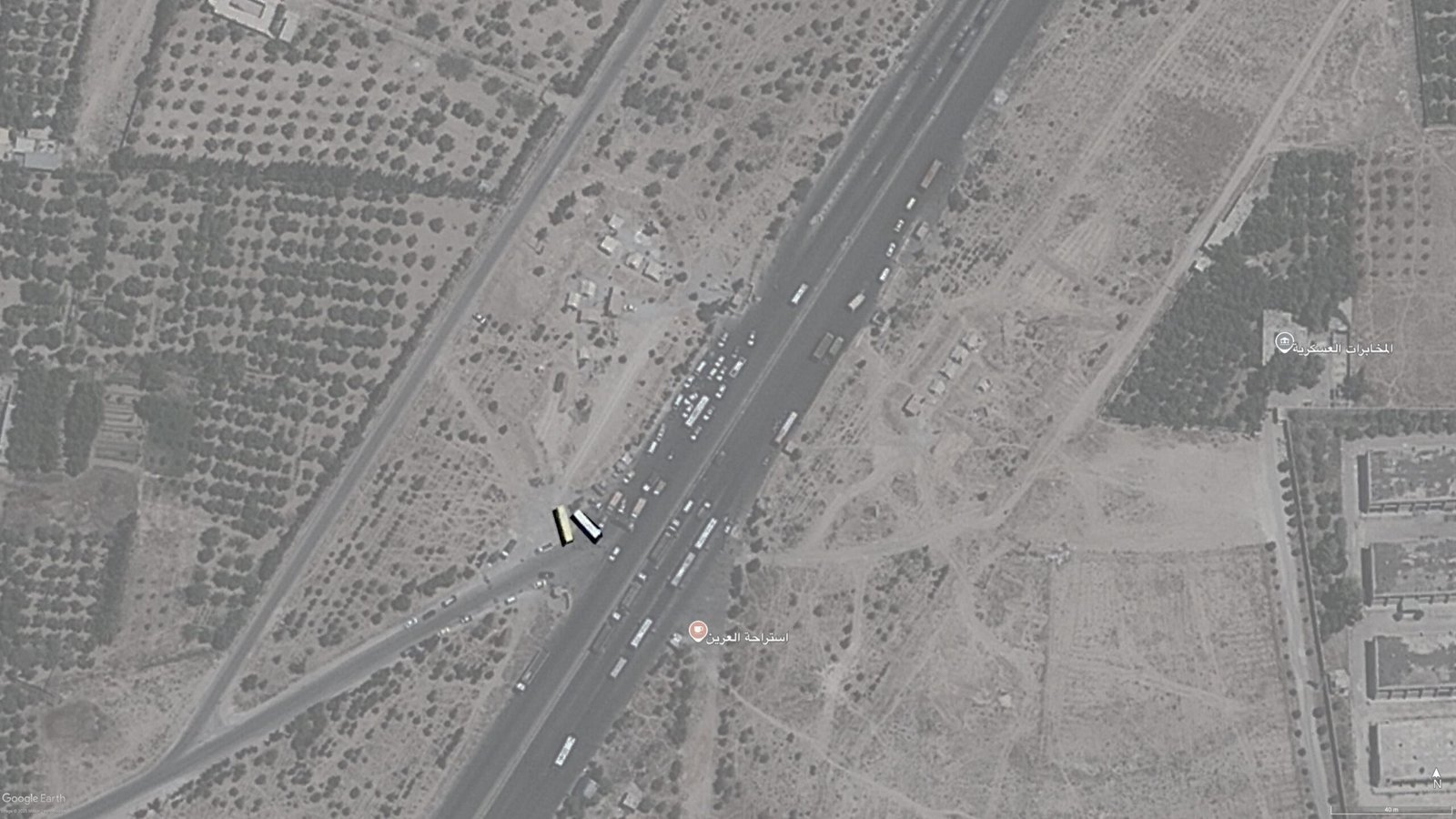 |
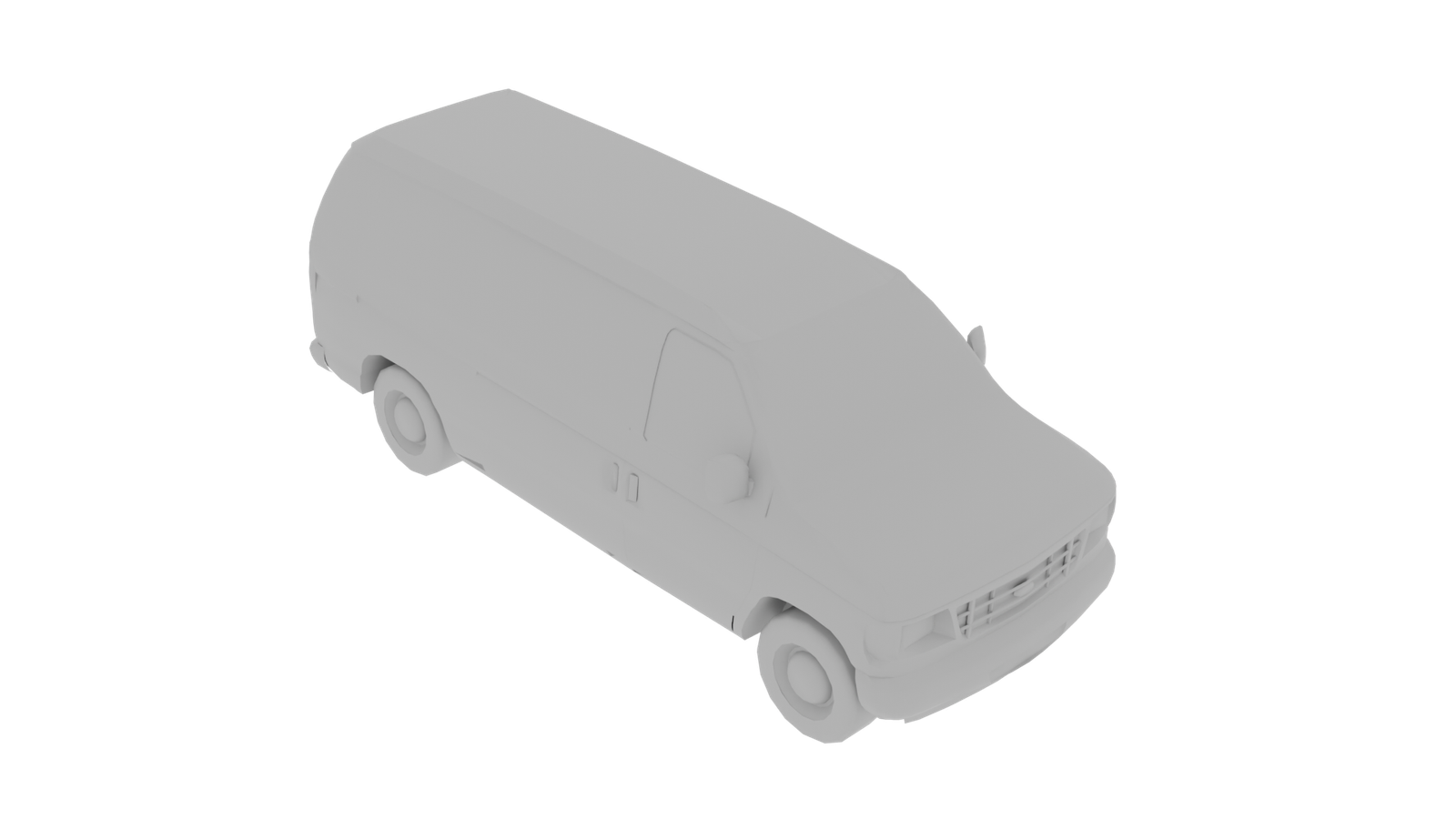
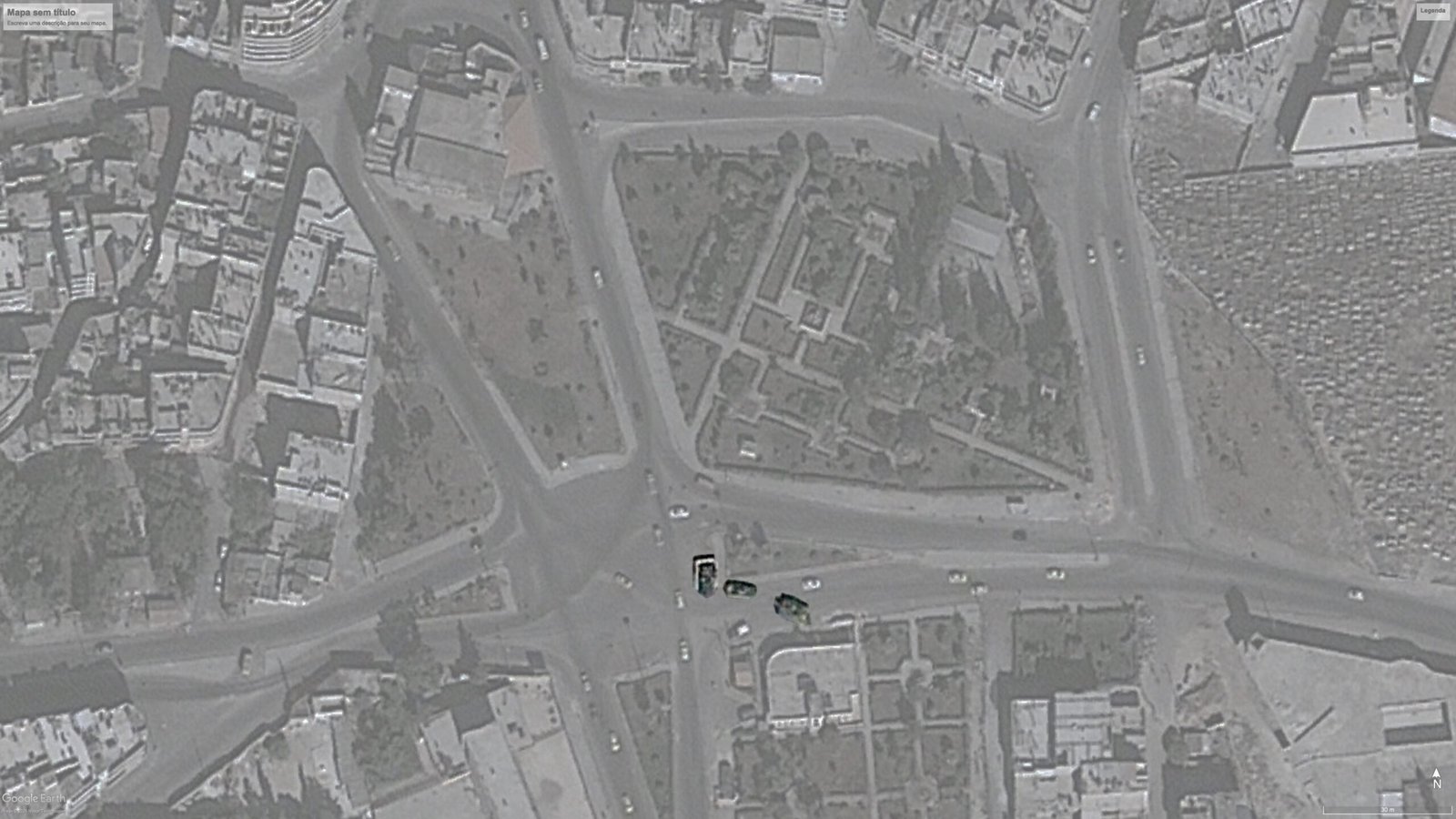
Vehicle | Mobile Physical Barrier for rapid response. Conveys state or armed-group presence without fixed infrastructure buildup |
 |
|
 |
 |
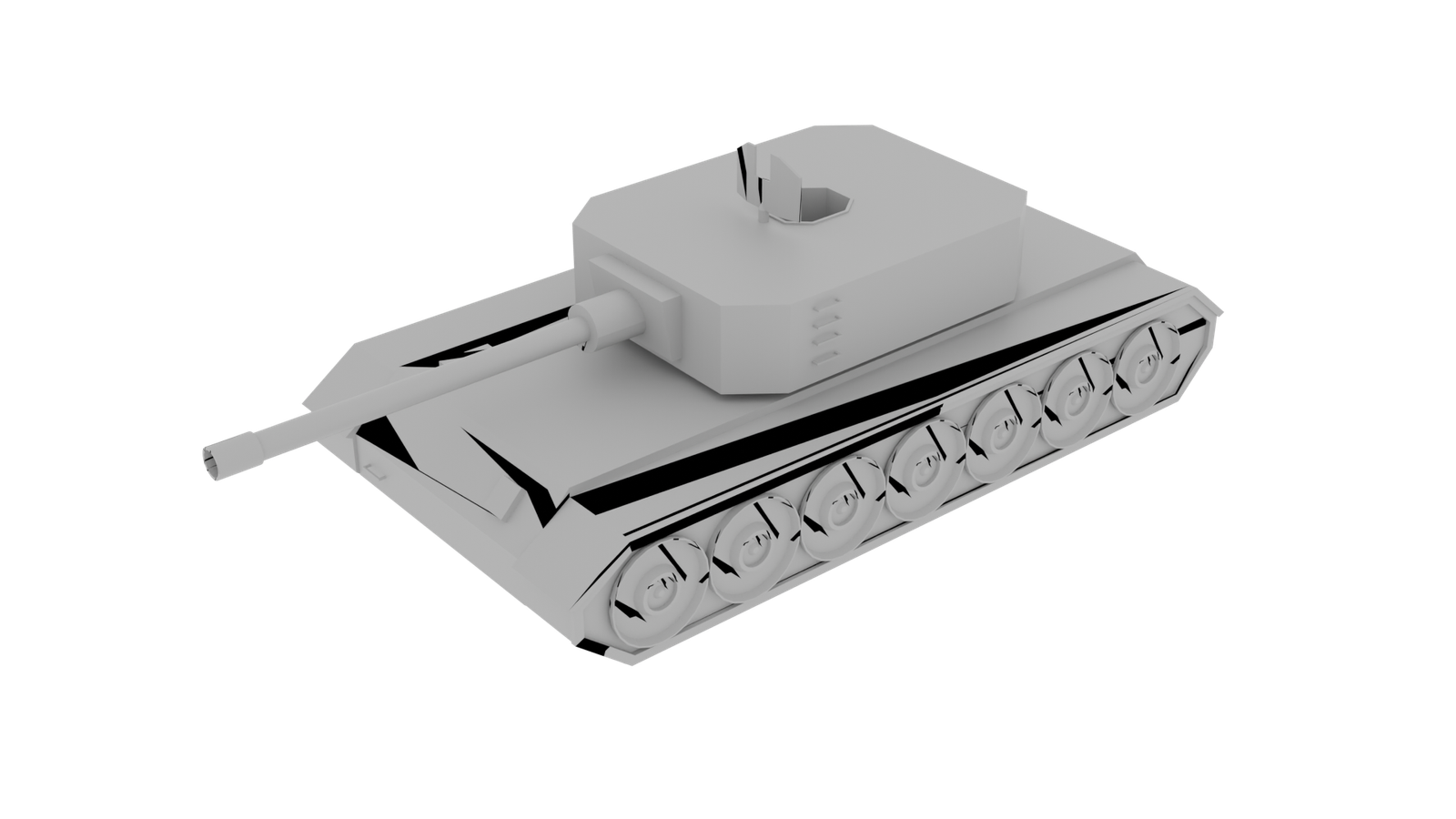
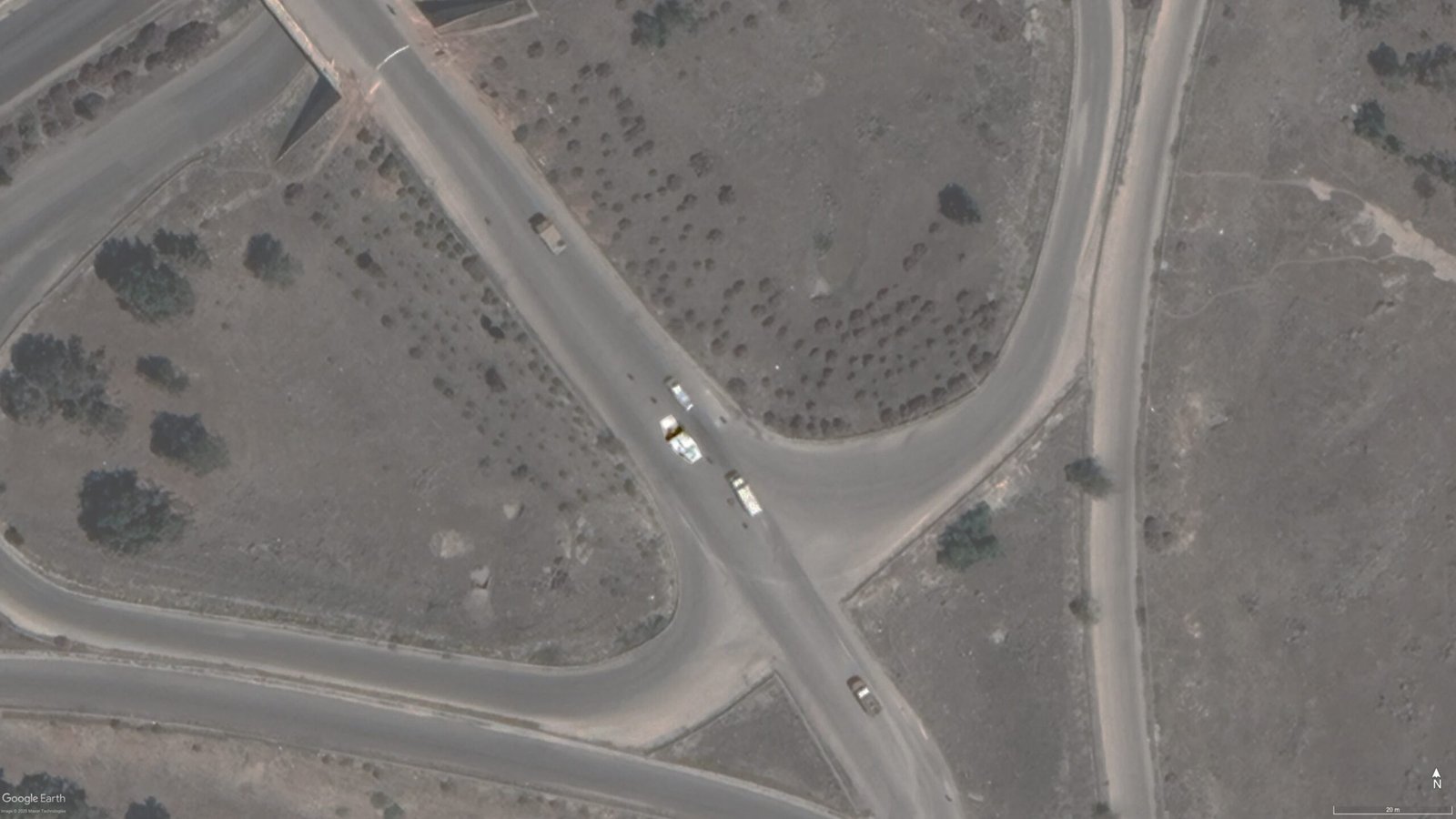
Armoured Tank | Impermeable, armed barrier. Instills fear and enforces compliance. Limits civilian movement |
 |
 |
 |
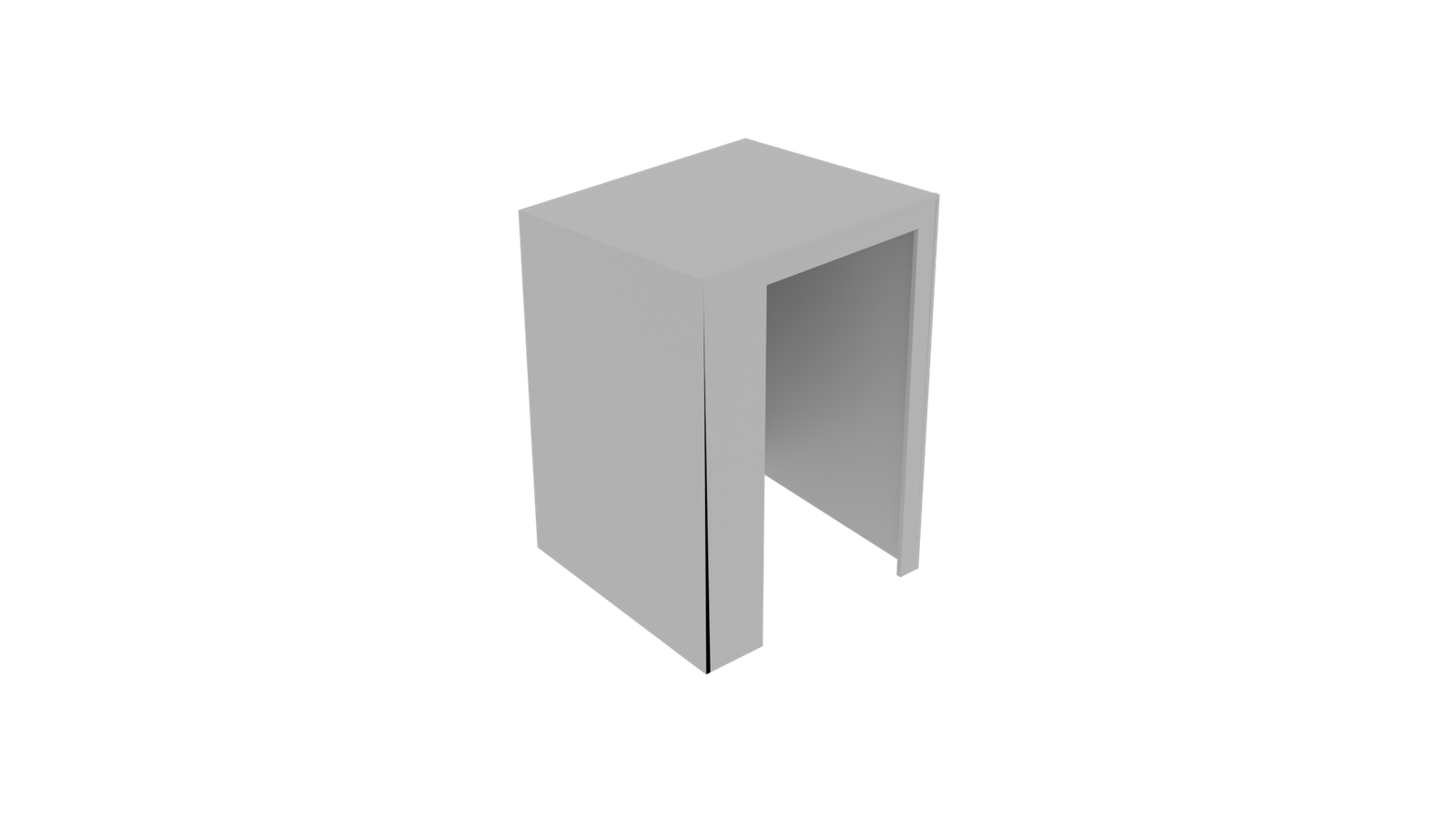
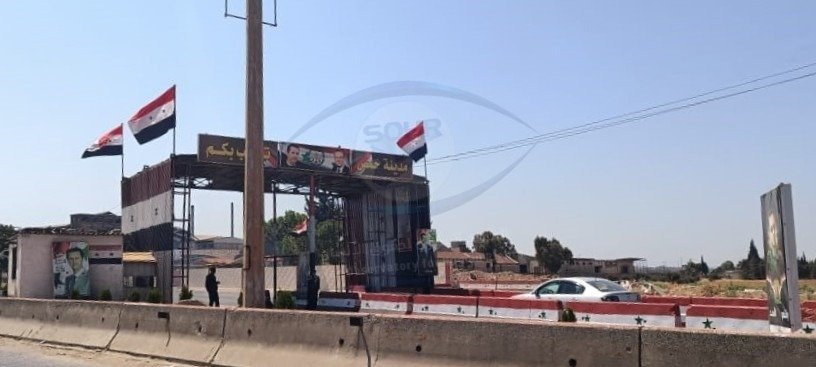
Shed-like Structure | Enables longer presence and weather protection. Creates capacity for basic administration like ID checks and storage. |
 |
 |
 |
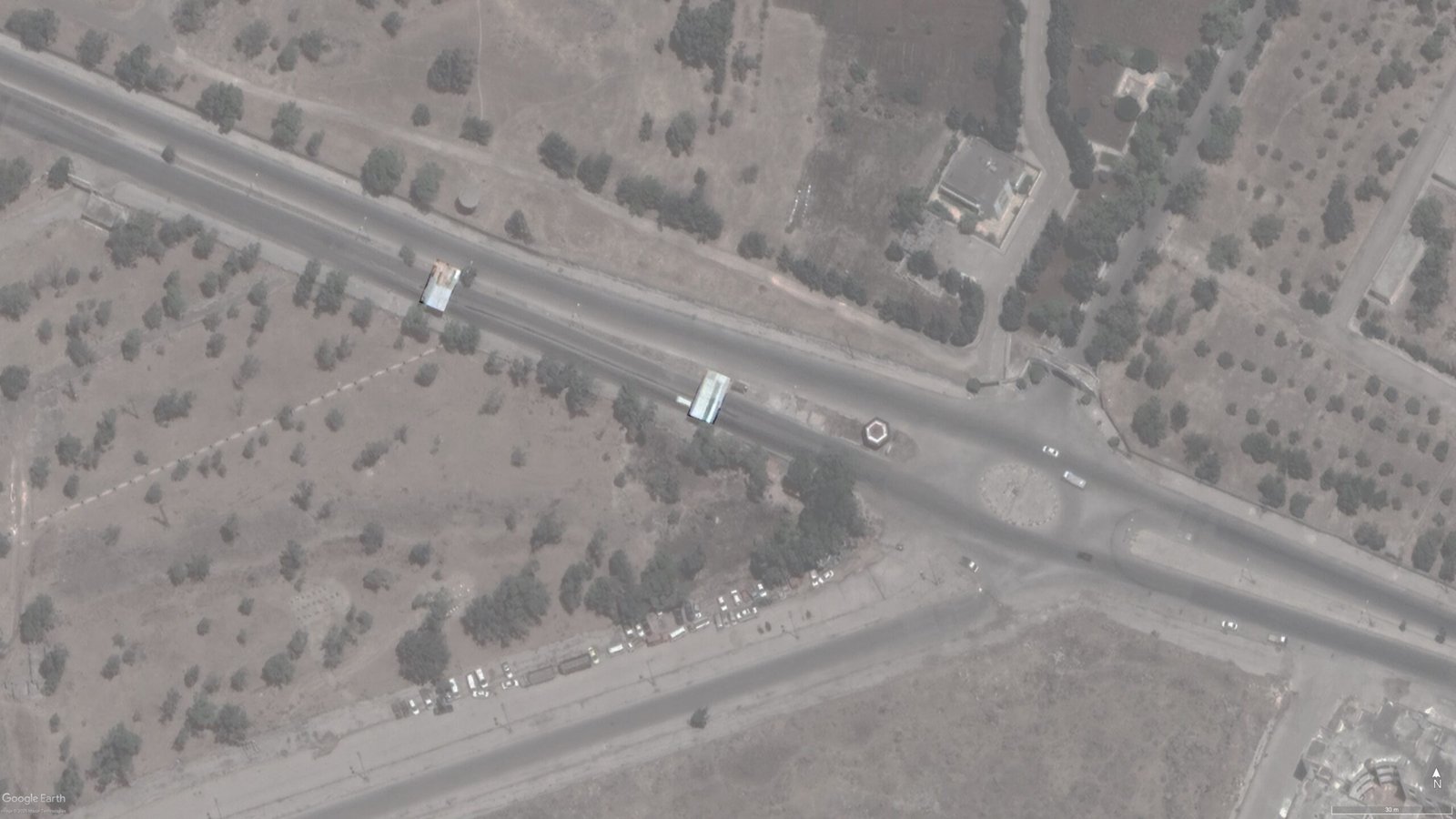
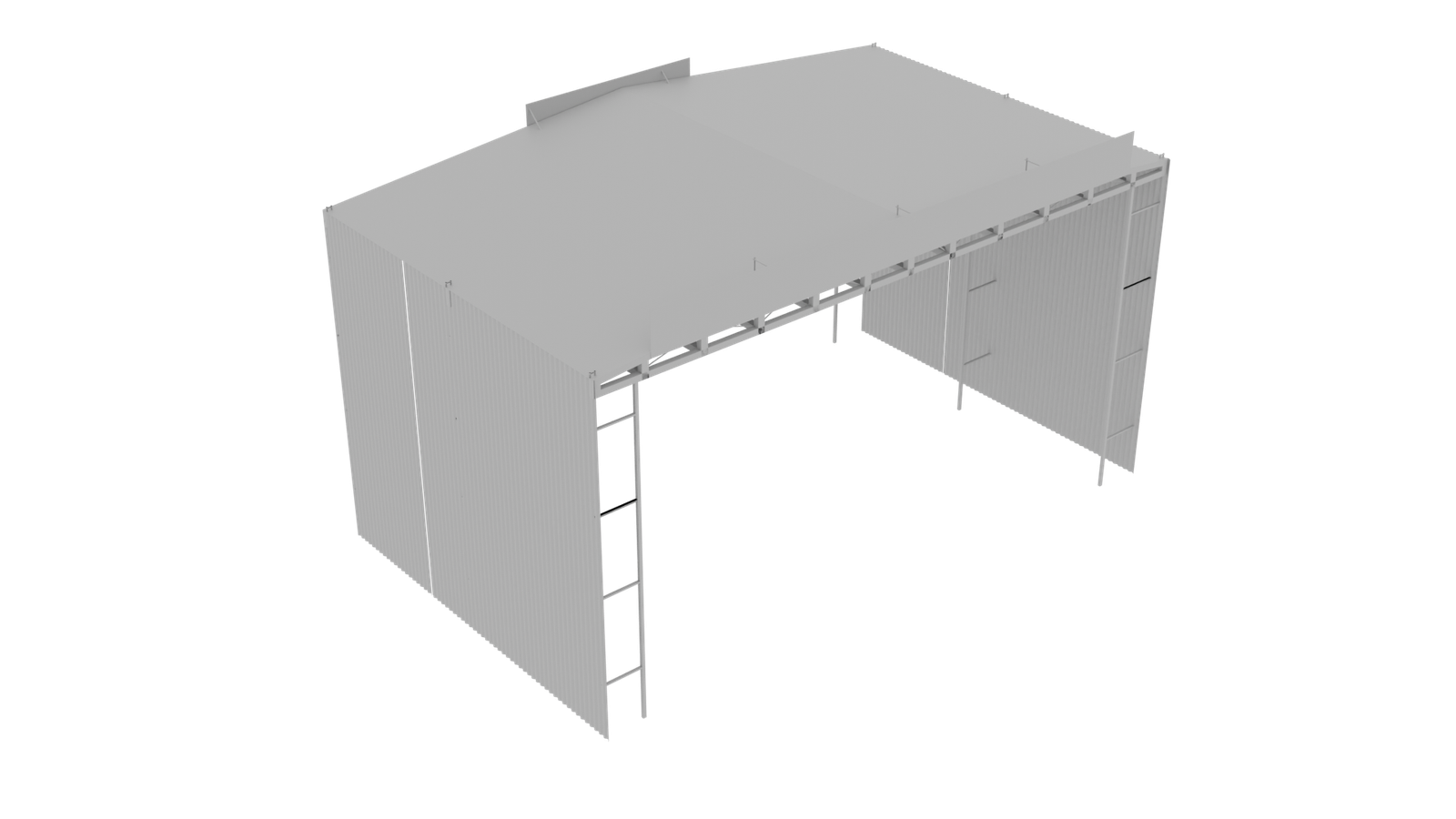
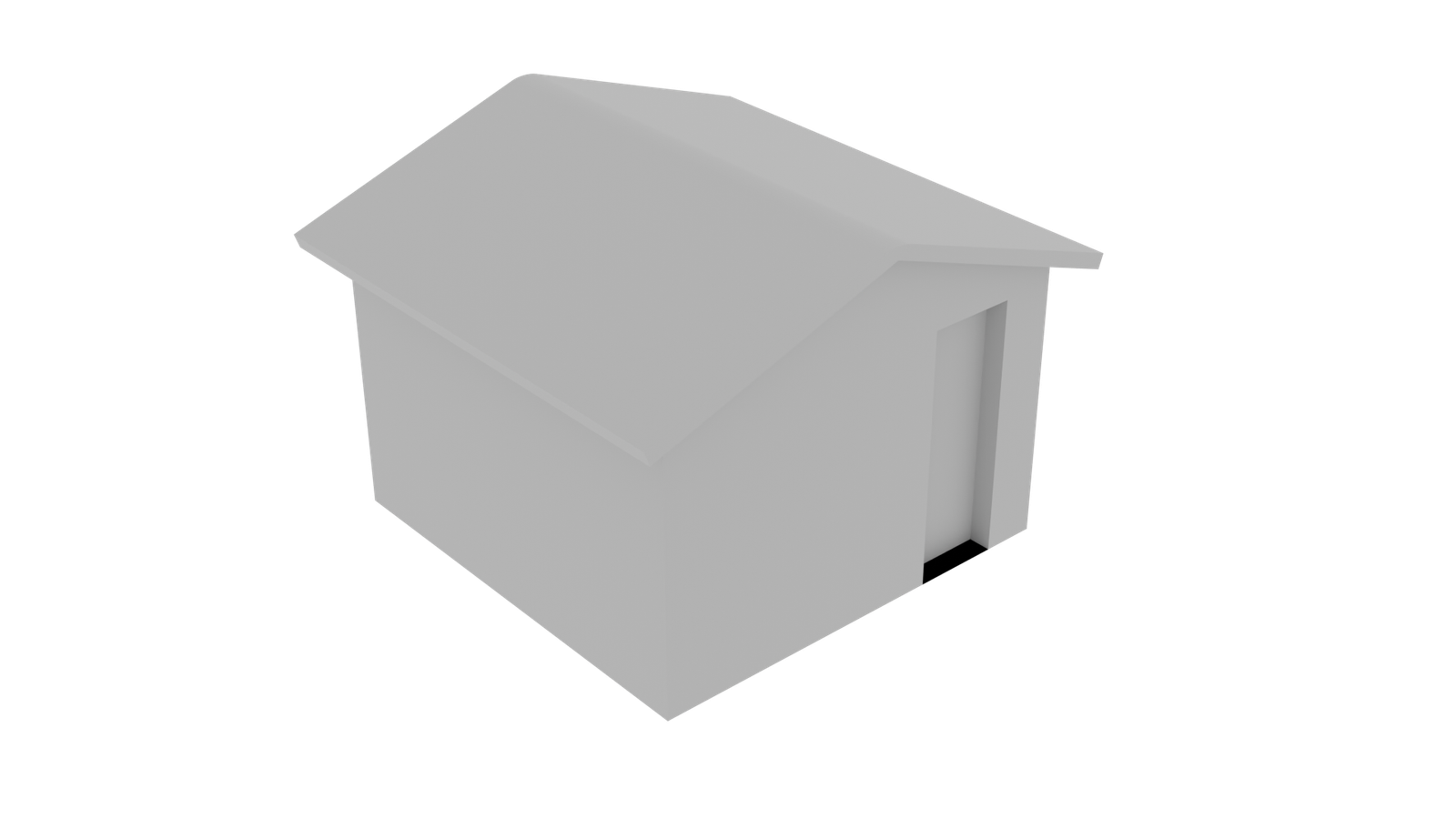
Metal Structure | Exercises authority over vehicle flow through a clearly defined spatial
structure. Weather protection for both personnel and inspection lanes. |
 |
 |
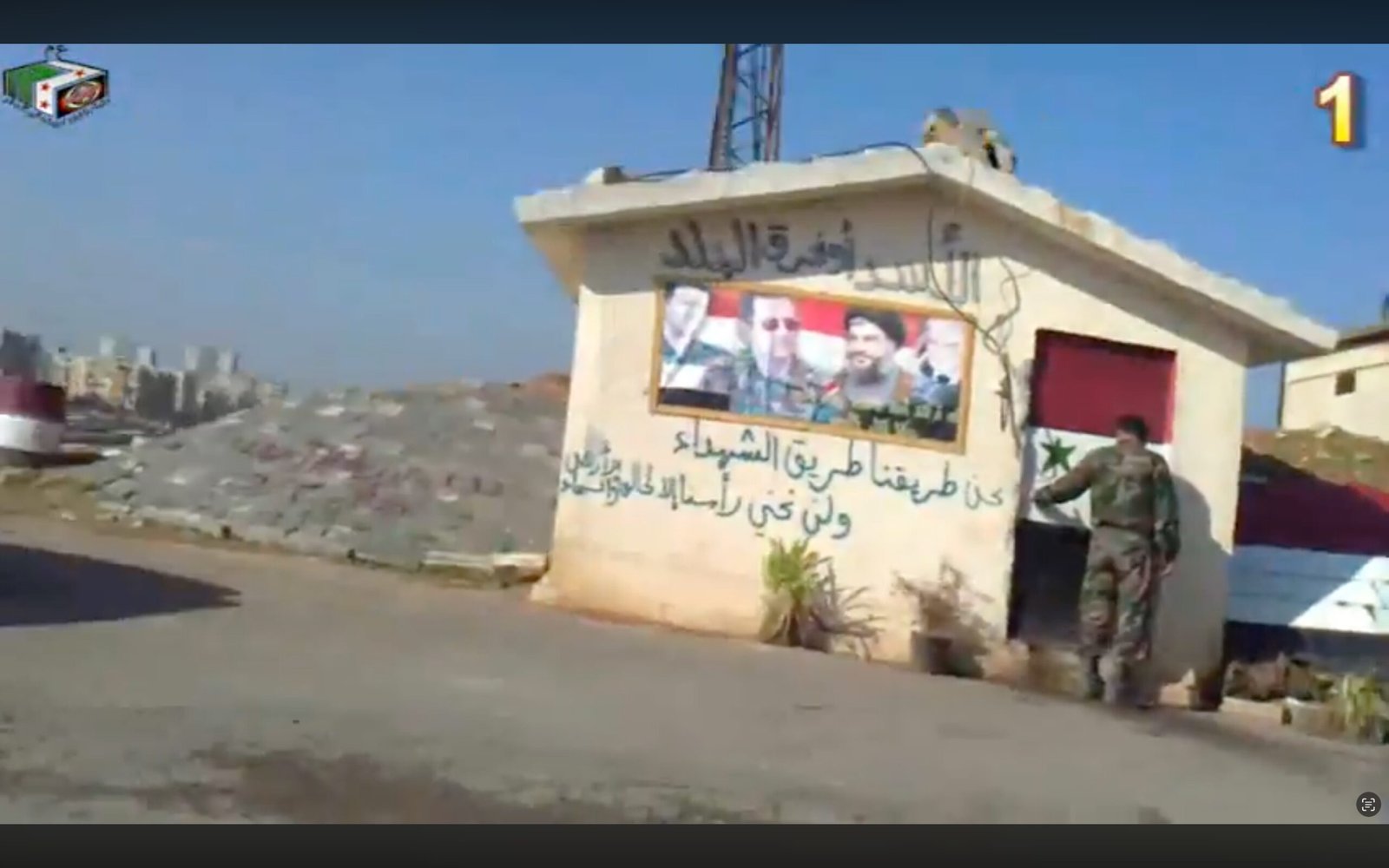 |
Brick Structure | Secure enclosure for administrative functions. Supports safe storage, detention, processing activities, communications. Stable, bureaucratized node of control. |
 |
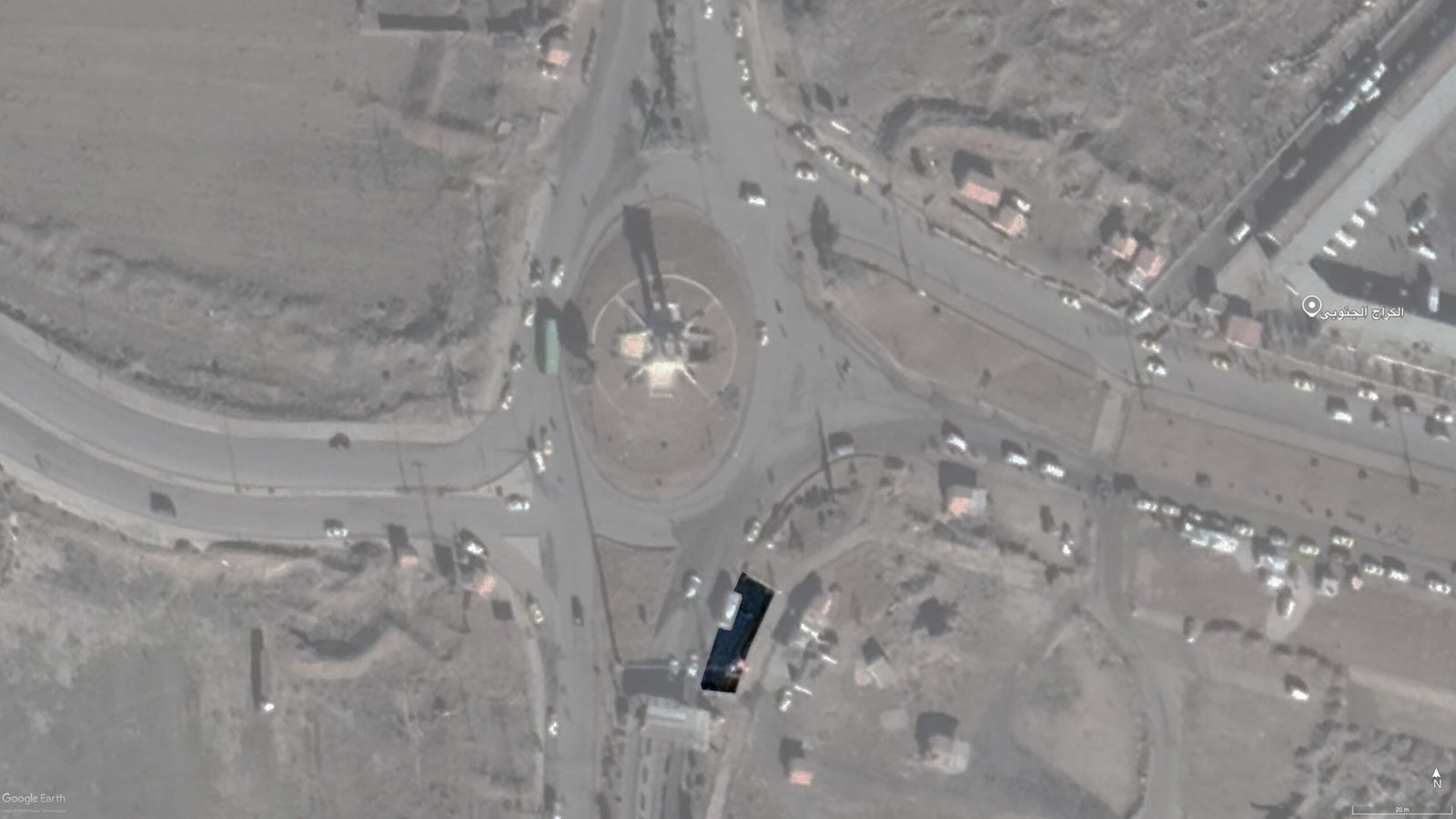 |
Road Infrastructure Development | Formalizes checkpoint through controlled traffic flow. Demonstrates investment of state resources. |
 |
|
 |
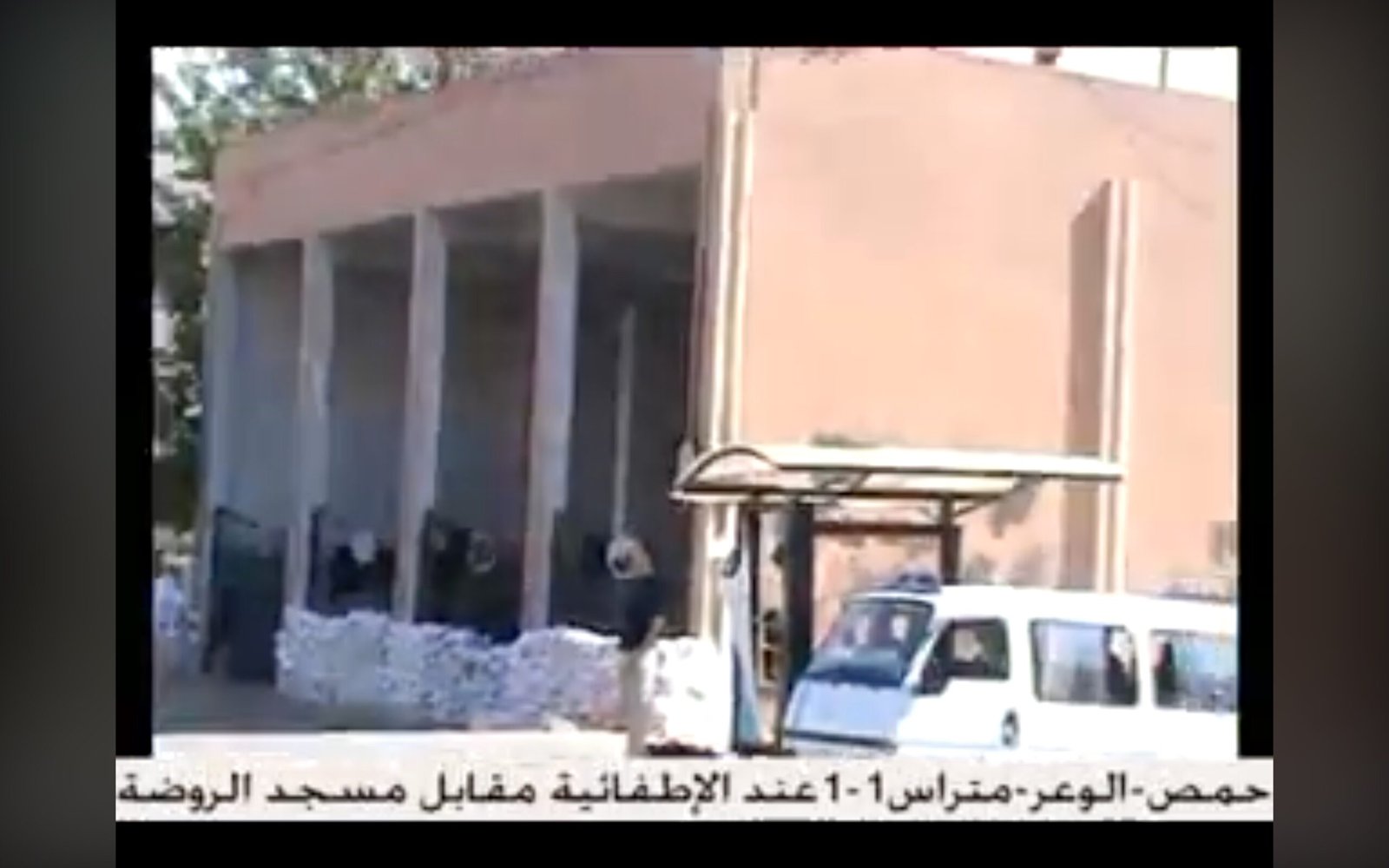 |
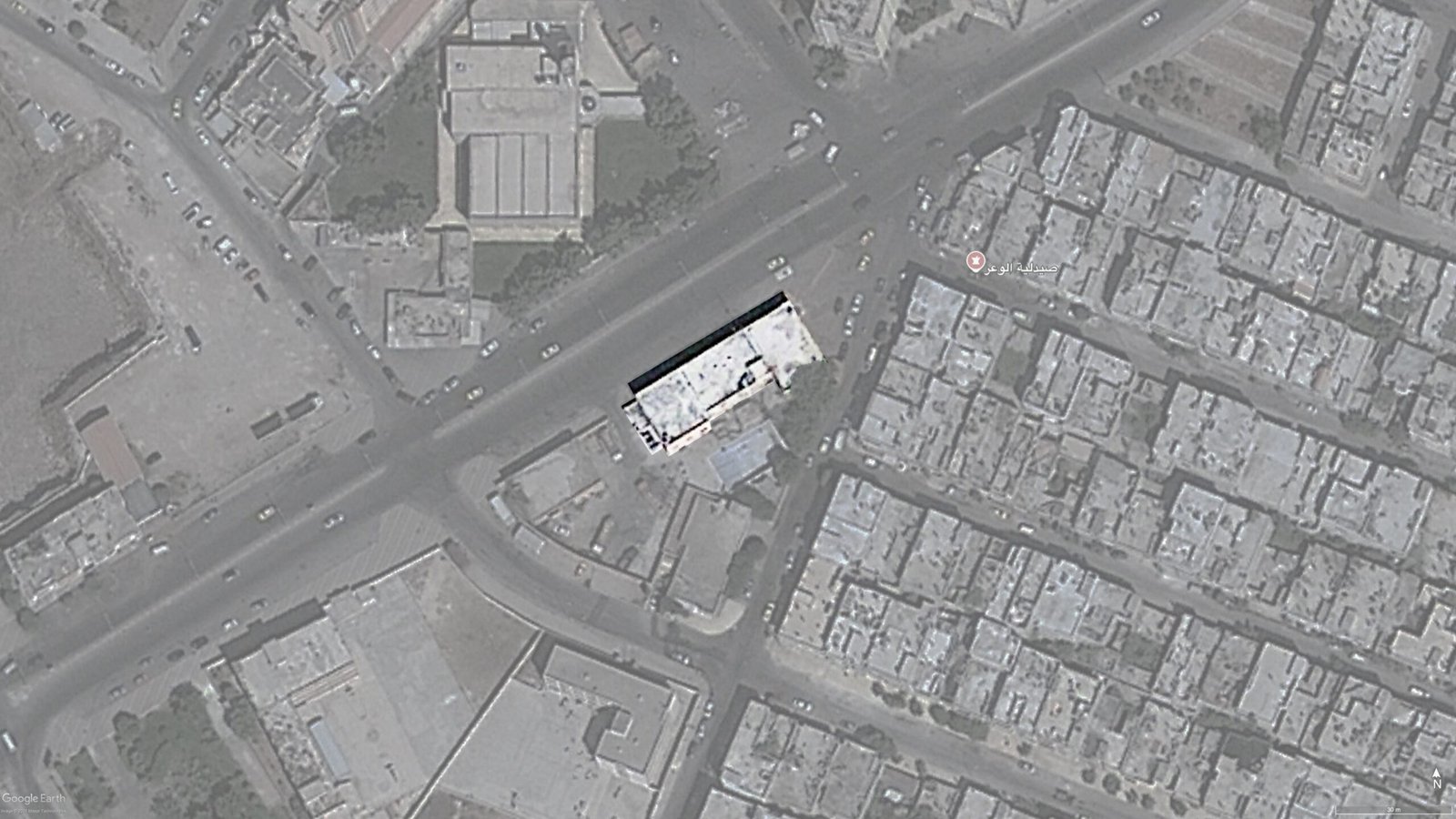
Repurposed Building | Ready-made infrastructure for operational use, enables indoor processing,
interrogation Symbolically reclaims civilian space for military or state authority |
 |
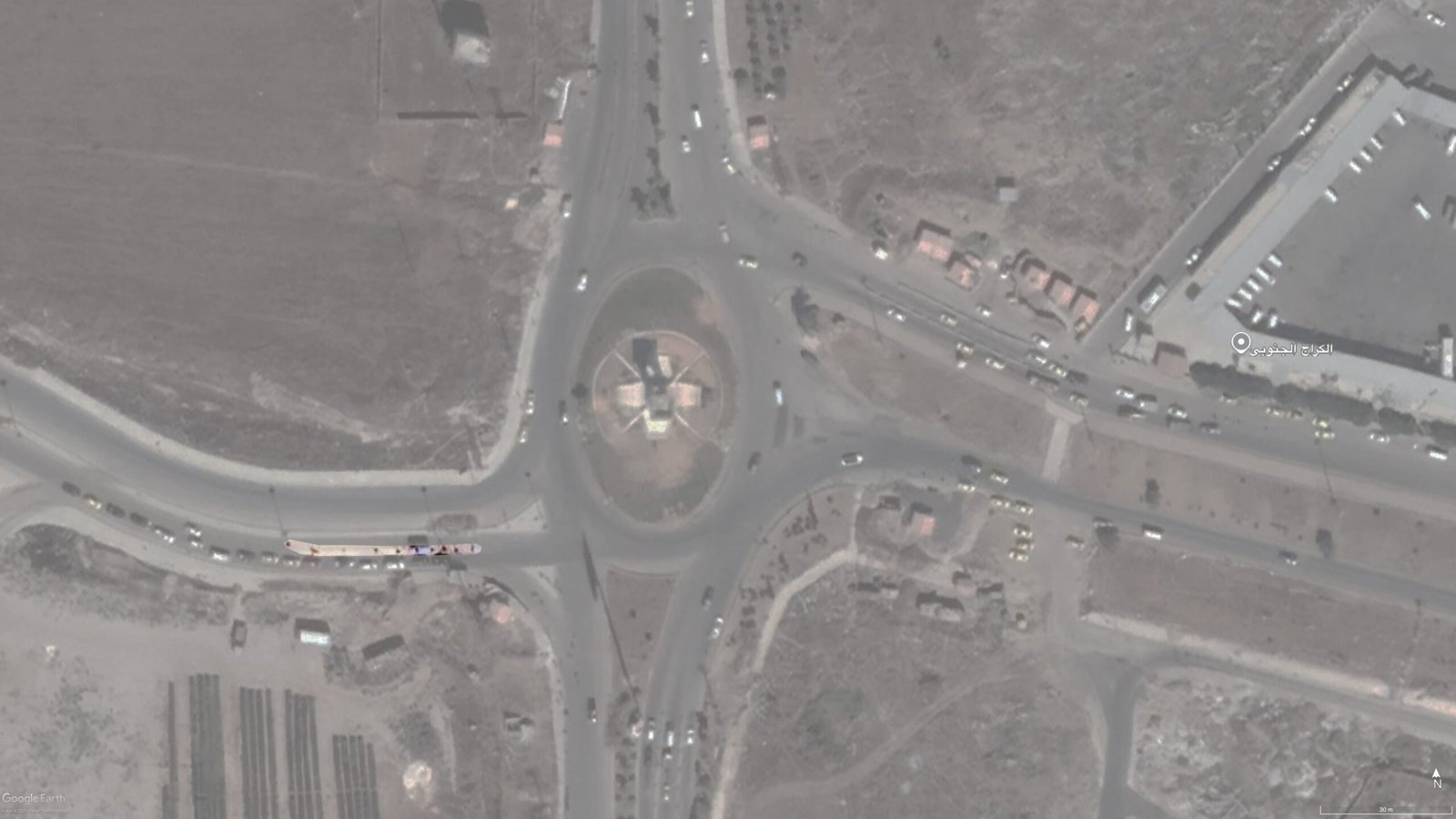
Imagery ©2025 CNES / Airbus, Maxar Technologies, Map data ©2025 Google
Detailed Glossary:
- Sandbag: A bag filled with sand and used in fortifications, as ballast, or as a weapon (Merriam Webster). Rarely used in isolation, sandbags were deployed alongside other elements to create a bigger checkpoint typology.
- Steel Drum: A cylindrical metal container used to store and transport bulk liquids and powders. Similar to sandbags, steel drums were rarely used in isolation and were deployed alongside other elements to form a larger checkpoint typology. At times, they also served to conceal sniper positions.
- Concrete Barrier: A concrete slab, 32 inches high with slanted sides, used in tandem with others to block or reroute traffic, or to divide highways (Merriam Webster) – commonly called Jersey Barriers. Positioned on main roads and international highways to bisect lanes of traffic in order to slow down and channel the flow of vehicles through a narrow point. Used either on their own in smaller checkpoints or in combination with other elements to form bigger checkpoint typologies.
- Mound of Debris: The remains of something broken down or destroyed, or something discarded like rubbish. In geology, debris refers to an accumulation of fragments of rock (Merriam Webster). Although rare, a few checkpoints were built around existing mounds of debris that were already blocking the road.
- Vehicle: In a few cases, vehicles were deployed similar to that of concrete barriers to hinder mobility and to reduce the flow and speed of vehicles on main roads and highways.
- Armoured Tank: An enclosed heavily armed and armoured combat vehicle that moves on tracks (Merriam Webster). Medium- to large-sized checkpoints were often reinforced by armoured vehicles. Infusing fear through their presence, tanks served as instruments of both psychological and physical terror, ready to shell neighbouring communities if ordered to do so.
- Shed-like Structure: A slight structure built for shelter or storage; a single-storied building with one or more sides unenclosed (Merriam Webster). As the simplest form of fixed checkpoint architecture, most checkpoints gradually evolved into small shed-like structures over time as they transitioned from temporary to permanent installations. They were often combined with other checkpoint elements such as concrete barriers or steel drums.
- Metal Structure: More elaborate than the shed-like structures, metal structures represent a further evolution of checkpoint typologies. These constructions spanned roads and highways, serving as prominent physical symbols of the growing wealth and control of those operating the checkpoint. Over time, these structures often evolved spatially, becoming “double checkpoints”: two consecutive metal structures positioned along a short stretch of road creating a double layer of control. Similar to other typologies, these structures were often combined with additional checkpoint elements.
- Brick Structure: Over the years, many checkpoints that previously consisted of small shed-like structures and concrete barriers became fixed architectural structures made of brick. These appeared either as individual buildings or as clusters of several small structures, suggesting that the entities controlling the checkpoints accumulated greater power and wealth, most likely through the extortion of materials and resources from the Syrian population. These brick structures were typically located alongside roads and, like other typologies, were often combined with additional elements such as steel drums to regulate and control the flow of traffic.
- Road Infrastructure Development: Another element of checkpoint typologies was the development of road infrastructure in accordance with checkpoint functionality. For example, the construction or expansion of surrounding road infrastructure (i.e. building a new lane) to increase checkpoint capacity.
- Repurposed Building: In some cases, pre-existing public buildings such as schools or fire stations were repurposed to perform checkpoint activities. Sometimes, when no public infrastructure was available, the forces establishing the checkpoints occupied houses, evicting residents from their homes and turning them into checkpoints and military barracks.